
A Seat at the Table: The Story Behind Our Worker-Owned Collective
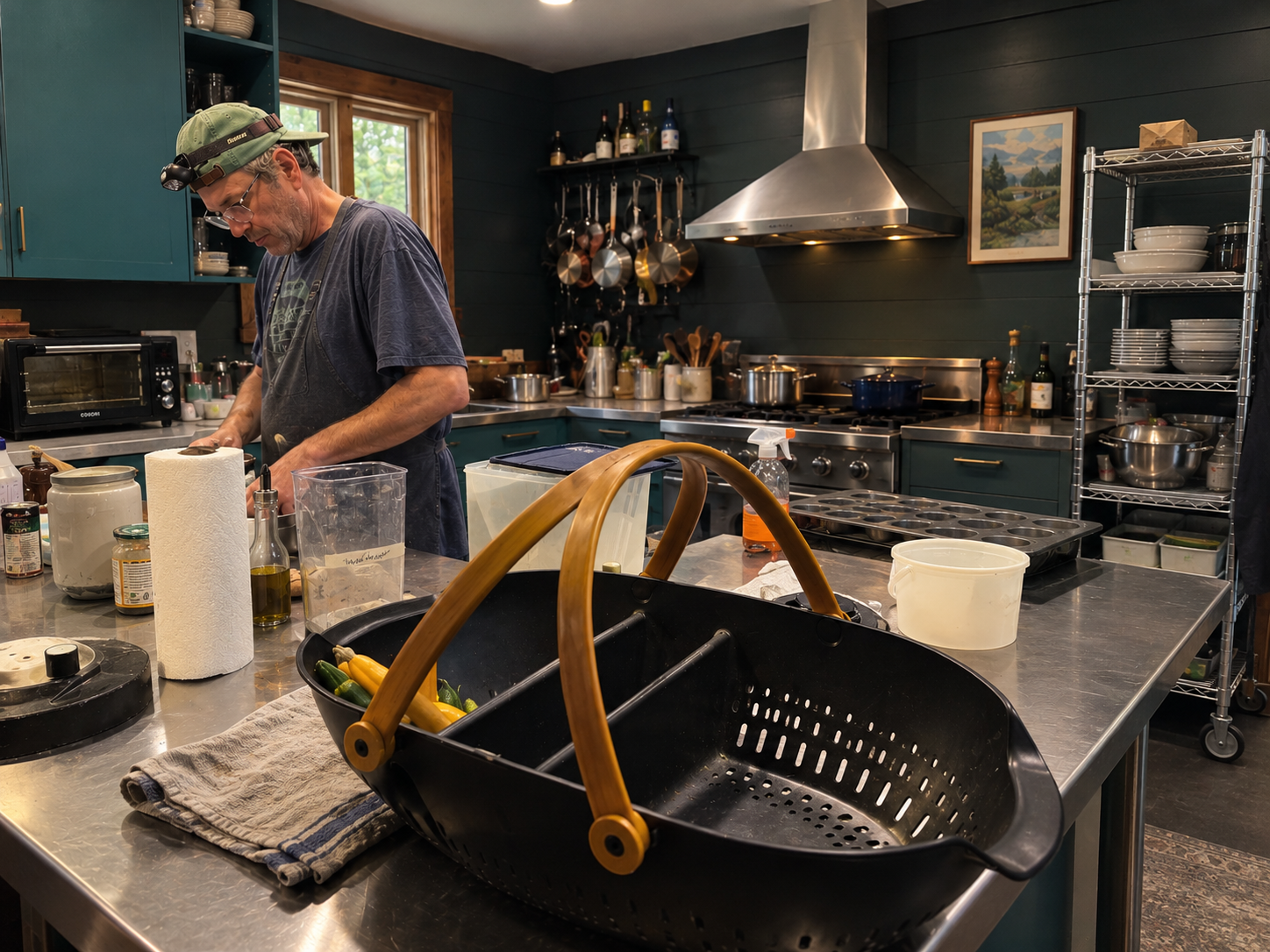
When you step into our shuttle van in the Western Maine mountains, you aren't just being driven to a restaurant. You are being hosted by the co-owners of an experimental, worker-owned fine dining collective—a small group of dedicated people who built a radical, sustainable alternative to traditional hospitality from the ground up.
For decades, the conventional restaurant industry told us that "fine dining" required an army of underpaid, overworked line cooks breaking their backs so a corporate board or absentee owner could build a legacy on their labor. It told us that world-class cuisine meant flying in out-of-season produce halfway around the globe, squeezing every last cent out of local producers, and treating the human beings behind the scenes as disposable, replaceable inputs.
We refuse to accept that standard. The Chametz was built on a simple, unapologetic truth: true hospitality must be both exceptional and equitable.
Standing on the Shoulders of Giants: The Cooperative Tradition
We did not invent worker ownership, nor do we operate in a vacuum. The Chametz is part of a proud, enduring global tradition of economic democracy—a lineage that proves working people can organize, own their labor, and run successful, world-class enterprises.
Learning from Industrial & Agricultural Pioneers:
We look directly to domestic leaders like Bob’s Red Mill, where founder Bob Moore famously chose to transfer 100% of the company to his employees through an Employee Stock Ownership Plan (ESOP) rather than sell to corporate buyers or private equity. This bold move ensured that the very people who built the brand shared directly in its wealth, equity, and long-term legacy.
Drawing Inspiration from Global Cooperative Scale:
On an international scale, we take daily inspiration from the Mondragon Corporation in the Basque Country of Spain. What began in 1956 as a modest technical school and a small worker-owned workshop has grown into one of the largest, most resilient cooperative federations in the world, employing tens of thousands of worker-owners across industrial, retail, financial, and agricultural sectors. Mondragon demonstrates conclusively to the world that democratic management, wage solidarity, worker governance, and community reinvestment aren't utopian dreams—they are practical, competitive, and deeply human ways to structure a thriving economy.
Applying Cooperative Democracy to Fine Dining:
At The Chametz, we apply those exact structural principles to the world of fine dining. By abolishing rigid workplace hierarchies and operating as a 100% worker-owned collective, every person who hosts you, tends our heirloom crops, cooks every course, washes the dishes, and pours your wine holds a real, tangible stake in our collective success.
Building Long-Term Institutional Resilience:
When workers own their enterprise, burnout gives way to mastery and high turnover is replaced by deep stability. Shared ownership allows our collective members to invest in long-term agricultural techniques, hone complex culinary skills, and develop a level of genuine chemistry that no traditional corporate structure can replicate.
The Heritage of Yiddish Labor Organizing & The Bund
Our commitment to worker solidarity is also deeply bound to our cultural roots. Rooted in our Yiddish heritage, The Chametz carries forward the fierce, principled spirit of Jewish labor movement history, most prominently embodied by the General Jewish Labour Bund (Algemeyner Yidisher Arbeter Bund) founded in Eastern Europe in 1897.
Living the Principle of Doikayt ("Hereness"):
The Bund stood for Doikayt—the radical idea that working people should fight for justice, dignity, self-determination, and cultural vibrancy right where they live and work, rather than waiting for liberation in some distant future or far-off land.
Building Power from the Ground Up:
Bundists organized garment sweatshop workers, agricultural laborers, and village craftspeople, building cultural institutions, cooperative kitchens, mutual-aid networks, and worker defense units while fighting relentlessly against both exploitation and authoritarian oppression.
Rooting Labor History in Western Maine:
That same commitment to Doikayt fuels our work here in the foothills of Western Maine. We fight for dignity in the kitchen, steward our environment, and honor the human hands that cultivate, harvest, and prepare our food. Our collective is a living embodiment of Yiddish labor history—a space where cultural heritage, agricultural care, and radical workplace democracy meet around one big table.
Mutual Aid as Hospitality:
To us, hospitality is not a performative luxury transaction; it is an extension of mutual aid. Just as historic labor collectives cared for their communities, our collective ensures that our agricultural partners are paid fairly, our land is nurtured sustainably, and our guests are welcomed into an environment defined by solidarity rather than status.
A Seat at the Table
When you sit at our table, you aren't just paying for a meal. You are directly funding a living, breathing model that proves working people can take control of their own craft, steward the land with integrity, and build real community power from the ground up.
Care as the Foundation of Hospitality:
When care isn't hidden behind closed kitchen doors or extracted for an absentee owner, it becomes the entire foundation of the guest experience. Every dish served carries the pride of shared craft.
Uncompromising Focus on Connection:
From your doorstep to our table—and back again—we handle every detail so you can focus on what truly matters: exceptional food, magnificent wine, and genuine human connection.
An Invitation to a Broader Movement:
By choosing to dine with us, you join an ongoing conversation about what the future of work, food, and community can look like when human dignity and land stewardship are placed at the absolute center.
Join us at the table.
